Why Does My Tooth Hurt When I Bite Down? 7 Possible Causes
Tooth pain when biting down can have several causes, from a cracked tooth or loose filling to decay or infection. Discover seven possible reasons your tooth hurts when chewing, what different symptoms may mean, and when you should arrange an urgent dental appointment.
By Night & Day Team
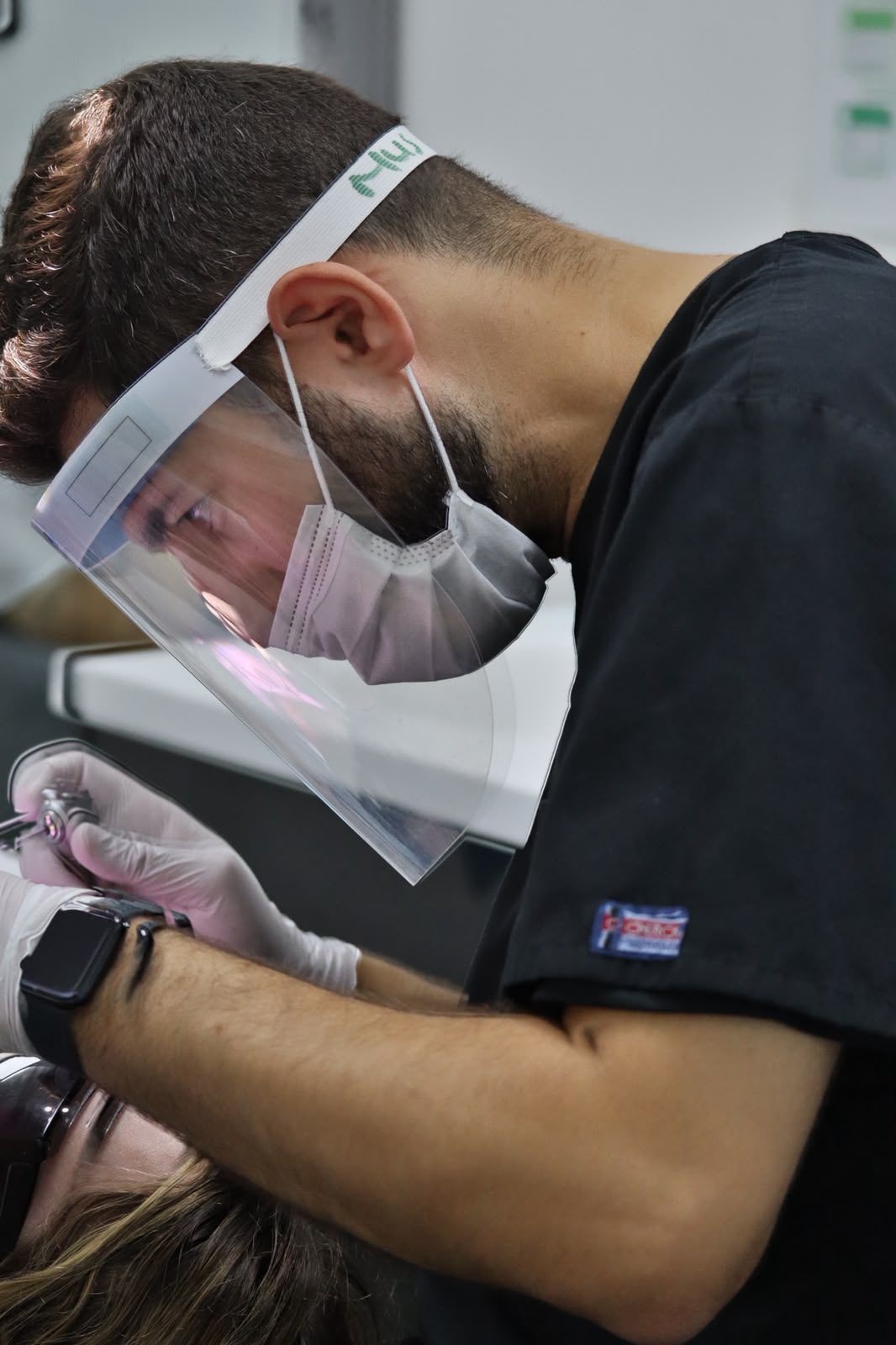
If your tooth hurts when biting down, it could be caused by a cracked tooth, tooth decay, a loose filling, dental infection or inflammation around the tooth. The pain might feel sharp when you chew, appear only when you release pressure, or develop into a persistent ache.
Pain when biting shouldn't be ignored, particularly if it keeps returning, becomes worse or is accompanied by swelling. Although some causes are relatively straightforward to treat, others need prompt dental attention to prevent further damage.
Here are seven possible explanations, what your symptoms might mean and when you should see a dentist.
1. A Cracked Tooth
A cracked tooth is one of the possible causes of sharp pain when biting or chewing.
Your teeth withstand considerable pressure every day, but they can develop cracks through injury, biting something hard, grinding or gradual weakening of the tooth structure.
Some cracks are easy to see. Others are so small that you might not notice anything unusual when looking in the mirror.
What does a cracked tooth feel like?
You might experience:
- A sudden, sharp pain when biting into food.
- Pain that appears when you release biting pressure.
- Sensitivity to hot or cold drinks.
- Discomfort that comes and goes rather than remaining constant.
- Pain that seems to affect one particular tooth.
A particularly useful detail to mention to your dentist is whether the pain occurs as you bite down or as you release your bite. Certain cracks can cause discomfort when pressure is released because the affected parts of the tooth move slightly.
However, this symptom alone cannot confirm a crack.
Can a cracked tooth heal itself?
Unlike a broken bone, a cracked tooth cannot simply repair its damaged structure.
Depending on the crack's position and severity, a dentist may recommend a filling, an onlay or a crown to protect the remaining tooth.
If the crack has affected the pulp, which contains the tooth's nerves and blood vessels, root canal treatment may be considered. A severely damaged tooth may sometimes need extraction.
Early assessment is important because some cracks can become more extensive with continued chewing.
2. Tooth Decay or a Deep Cavity
Tooth decay is another common reason a tooth may hurt when pressure is applied.
Decay develops when acids produced by bacteria in dental plaque damage the hard tissues of a tooth. As the damage progresses, it can reach the softer dentine beneath the enamel.
If decay becomes deeper, it may irritate or inflame the pulp inside the tooth.
Signs that decay might be responsible
Alongside pain when chewing, you may notice:
- Sensitivity to sugary foods or drinks.
- Discomfort with hot or cold temperatures.
- A visible hole or darkened area on a tooth.
- Food repeatedly getting trapped in one place.
- Toothache that continues after eating.
Not every cavity causes obvious symptoms. Some develop without pain until the damage becomes more extensive.
Equally, a painful tooth does not necessarily mean you have a cavity.
How is tooth decay treated?
Treatment depends on how much tooth structure has been affected.
Smaller cavities may be restored with a filling. More extensive damage may require a different restoration, such as a crown.
If the pulp has become irreversibly inflamed or infected, root canal treatment or extraction may be necessary.
A dental examination, sometimes supported by X-rays, helps determine the appropriate treatment.
The important point is that waiting for pain to become unbearable is not a reliable way to judge the seriousness of tooth decay.
3. A Dental Abscess or Infection
A dental abscess is a collection of pus caused by infection in or around a tooth or gum.
It can cause considerable pain, especially when chewing or applying pressure to the affected area.
Some patients describe a deep, throbbing ache. Others notice that the tooth feels particularly tender when their upper and lower teeth meet.
Symptoms that may suggest an abscess
Possible warning signs include:
- Persistent or severe toothache.
- Pain when biting or chewing.
- Swelling around the gum, cheek or jaw.
- A bad taste in the mouth.
- Redness or tenderness around the affected area.
- A raised temperature or feeling generally unwell.
An abscess can sometimes drain, causing an unpleasant taste and a temporary reduction in pain. This does not mean the infection has been resolved.
A suspected dental abscess needs urgent dental assessment.
Will antibiotics cure a dental abscess?
Antibiotics are not automatically required for every dental abscess, and they do not replace treatment of the underlying dental problem.
Depending on the circumstances, a dentist may need to drain the infection, carry out root canal treatment or remove a tooth that cannot be saved.
Antibiotics may be appropriate when there are signs of spreading infection or other specific clinical indications.
If you develop significant swelling, fever or worsening pain, seek urgent advice rather than waiting to see whether the symptoms disappear.
Difficulty breathing or swallowing, significant swelling inside the mouth or swelling affecting the eye requires emergency medical attention.
4. A Loose, Damaged or High Filling
Have you recently had a filling, or does an older filling feel different when you chew?
Dental fillings restore teeth damaged by decay or injury, but they can sometimes become worn, damaged or loose.
A filling that no longer seals properly may expose sensitive tooth structure or allow further decay to develop.
Occasionally, a recently placed filling may also feel slightly higher than the surrounding teeth.
Why does a high filling hurt?
When your teeth come together, the pressure should be distributed across your bite.
If one filling makes contact before the other teeth, that tooth may experience excessive pressure during chewing.
You might notice that:
- The treated tooth touches first when you close your mouth.
- Biting feels uncomfortable or uneven.
- Pain began shortly after dental treatment.
- The tooth feels tender when chewing firmer foods.
Some sensitivity after a filling can be temporary. However, persistent pain, worsening discomfort or a noticeable change in your bite should be checked.
What can a dentist do?
If a filling is too high, your dentist may be able to adjust its surface.
A loose or damaged filling might need repairing or replacing. If decay or inflammation has developed beneath it, further treatment may be required.
Avoid trying to file, remove or adjust a filling yourself.
If you have recently had treatment, contacting the dental practice that carried it out is usually a sensible first step.
5. Gum Disease or Inflammation Around a Tooth
Sometimes the source of biting pain is not the visible part of the tooth itself.
The gums and supporting tissues around your teeth can also become inflamed or infected.
Gingivitis, an early form of gum disease, commonly causes redness, swelling and bleeding. More advanced gum disease, called periodontitis, can damage the structures supporting the teeth.
This may lead to tenderness, changes in tooth stability or discomfort when chewing.
What symptoms should you look for?
You may notice:
- Bleeding when brushing or cleaning between your teeth.
- Red, swollen or tender gums.
- Persistent bad breath.
- Gum recession.
- Teeth that feel loose or have changed position.
- Discomfort when chewing.
Pain in one area can also arise from a localised gum infection or something trapped between the teeth.
These problems cannot always be distinguished at home.
Can gum disease be treated?
Treatment depends on the severity and cause.
Your dentist may recommend improvements to daily cleaning, professional removal of plaque and hardened deposits, or more extensive periodontal treatment.
Where a localised infection is present, additional treatment may be needed.
Gum disease does not always cause pain, so regular dental examinations remain important even when your teeth feel comfortable.
6. Teeth Grinding or Clenching
If several teeth feel tender when you wake up, or your jaw feels tired after sleeping, teeth grinding could be contributing to the discomfort.
Teeth grinding and clenching are collectively known as bruxism.
They can occur during sleep or while you are awake, sometimes without you realising.
Repeated pressure may strain the muscles used for chewing and contribute to tooth wear, sensitivity or damage.
Signs of grinding or clenching
Possible symptoms include:
- Aching teeth, particularly in the morning.
- Jaw stiffness or tiredness.
- Headaches around the temples.
- Worn, flattened or chipped teeth.
- Sensitivity when eating.
- A partner noticing grinding sounds during sleep.
Some people also experience pain around the jaw joint, which may become worse when chewing.
Not every morning toothache is caused by grinding. A cracked tooth, infection or other dental problem can produce similar symptoms.
How can grinding be managed?
A dentist can examine your teeth for signs of wear or damage and discuss possible contributing factors.
Where appropriate, a custom-made mouth guard or splint may be recommended to protect the teeth.
Managing stress, avoiding unnecessary clenching and addressing related sleep or jaw problems may also help.
If you suspect grinding, avoid repeatedly testing painful teeth by biting hard objects.
7. Inflammation Around the Tooth Root
Each tooth is held in place by supporting tissues, including the periodontal ligament, which connects the root to the surrounding bone.
When these tissues become irritated or inflamed, a tooth may feel tender under pressure.
This can happen following trauma, excessive biting forces or problems involving the pulp and tissues around the root.
What does inflammation around the root feel like?
Some patients describe:
- A dull ache when chewing.
- Tenderness when tapping or touching the tooth.
- A sensation that the tooth feels higher than the others.
- Discomfort that becomes more noticeable with pressure.
- Pain following a recent injury or dental procedure.
These symptoms are not specific to one diagnosis.
For example, inflammation around the root can sometimes develop when infection from inside a tooth spreads into the surrounding tissues.
In other situations, excessive pressure from clenching or a changed bite may be contributing.
Does root inflammation mean I need root canal treatment?
Not necessarily.
Root canal treatment is generally considered when the pulp inside a tooth is irreversibly damaged or infected and the tooth is suitable for treatment.
If tenderness is caused by excessive biting forces or another problem, a different approach may be appropriate.
Your dentist will assess the tooth, surrounding tissues and possible causes before recommending treatment.
What Does the Type of Pain Tell You?
The way your tooth hurts can provide useful clues, although symptoms alone cannot establish a diagnosis.
Sharp pain when biting down
This may occur with a cracked tooth, decay, a damaged filling or irritation of the supporting tissues.
Pain when releasing your bite
This pattern can be associated with a cracked tooth, particularly when the discomfort is brief and affects one specific area.
Throbbing pain that continues after eating
Persistent throbbing may suggest inflammation or infection, especially if accompanied by swelling or temperature sensitivity.
Pain when chewing after a filling
A changed bite, temporary sensitivity or an underlying problem with the tooth may be responsible.
Several teeth aching in the morning
Grinding, clenching or jaw muscle problems may contribute, although other causes should be considered.
The location, duration and severity of your symptoms all matter. Tell your dentist whether the pain is new, whether it comes and goes, and whether hot or cold foods make it worse.
When Is Tooth Pain When Biting an Emergency?
Not every painful bite requires emergency treatment, but certain symptoms need prompt attention.
Arrange a dental assessment if pain when biting persists, keeps returning or is accompanied by sensitivity or tenderness.
Seek urgent dental care if you have:
- Severe pain affecting sleep or normal activities.
- Pain that is not adequately controlled by suitable pain relief.
- Swelling around the gums, face or jaw.
- A suspected dental abscess.
- A damaged or displaced tooth following an injury.
- Worsening pain with fever or a bad taste in your mouth.
If you cannot contact your usual dentist or obtain an urgent appointment, NHS 111 can advise you about available urgent dental services.
When should you go to A&E?
Call 999 or seek emergency hospital care if swelling makes it difficult to breathe, speak or swallow, or if serious swelling affects the eye or vision.
These symptoms can indicate a potentially serious medical emergency.
Do not wait for a routine dental appointment if you experience them.
How to Relieve Tooth Pain When Biting While Waiting for a Dentist
If you are waiting for dental assessment, there are several sensible ways to reduce irritation.
Choose softer foods
Try foods that require less chewing, such as scrambled eggs, yoghurt, soup that is not too hot, or soft pasta.
Avoid biting directly on the painful tooth where possible.
Avoid triggering temperatures
Very hot or cold food and drinks may aggravate sensitive teeth.
Choosing lukewarm options can make eating and drinking more comfortable.
Consider suitable pain relief
Paracetamol or ibuprofen may help some people manage toothache temporarily.
Always follow the packet instructions and check with a pharmacist if you are unsure whether a medicine is suitable for you.
Painkillers can reduce discomfort, but they do not treat decay, a crack or an infection.
Keep your mouth clean
Continue brushing gently with a soft toothbrush.
Avoid aggressive brushing around a painful area, but do not abandon oral hygiene.
A warm salt-water rinse may provide temporary comfort for some adults. Spit the solution out rather than swallowing it.
What should you avoid?
Do not:
- Keep biting hard foods to test whether the pain is still there.
- Place aspirin directly against the gum or tooth.
- Attempt to repair a cracked tooth yourself.
- Ignore worsening swelling or persistent severe pain.
- Assume that pain disappearing means an infection has resolved.
Home measures are temporary support while arranging appropriate dental care.
How Will a Dentist Find Out Why Your Tooth Hurts?
Finding the source of biting pain sometimes requires more than a quick visual examination.
Your dentist will usually begin by asking about your symptoms, including when they started and whether the discomfort occurs during biting, chewing or afterwards.
They may then examine the teeth, gums, fillings and surrounding tissues.
Depending on the findings, assessment may include:
- Checking how your upper and lower teeth meet.
- Looking for cracks, decay or damaged restorations.
- Testing individual teeth for tenderness.
- Assessing responses to temperature.
- Examining the gums and supporting tissues.
- Taking dental X-rays where clinically indicated.
Small cracks are not always visible on X-rays, so a dentist may use several findings together.
Once the likely cause is established, treatment can be discussed.
Options may include repairing a filling, protecting a cracked tooth, treating gum disease, adjusting an uneven bite, root canal treatment or extraction where necessary.
The aim is to treat the underlying problem rather than simply masking the pain.
Can Tooth Pain When Biting Go Away on Its Own?
Sometimes temporary tenderness improves, particularly following minor irritation or recent dental treatment.
However, improvement does not always mean the underlying problem has disappeared.
A cracked tooth will not structurally heal by itself. Untreated decay can progress, and a dental abscess requires professional treatment.
Pain can also fluctuate, making a problem seem less serious than it is.
If discomfort persists for more than two days, repeatedly returns or is associated with other concerning symptoms, arrange a dental appointment. More severe symptoms may require assessment sooner.
Frequently Asked Questions
Why does my tooth hurt when I bite down but not otherwise?
Pain that occurs only under pressure may be associated with a crack, damaged filling, decay or inflammation around the tooth. A dentist needs to examine the area to identify the cause.
Why does my tooth hurt when I chew hard food?
Hard foods place greater pressure on teeth. This may aggravate a weakened tooth, crack, restoration problem or inflamed supporting tissue. Avoid repeatedly testing the tooth and arrange assessment if the pain continues.
Can a cracked tooth hurt without a visible crack?
Yes. Some cracks are extremely difficult to see and may produce intermittent pain. Your dentist may need to use specific examination techniques to investigate.
Why does my tooth hurt after a filling?
Temporary sensitivity can occur after dental treatment. However, persistent pain when biting may indicate that the filling needs adjustment or that another problem requires investigation.
Can teeth grinding cause pain when chewing?
Yes. Repeated clenching or grinding can contribute to tooth tenderness, sensitivity and jaw discomfort. A dental examination can help identify signs of grinding and exclude other causes.
Does pain when biting mean I need a tooth extraction?
No. Many causes of biting pain can be managed without extraction. Treatment depends on the diagnosis, the condition of the tooth and whether it can be restored.
Should I see an emergency dentist for pain when biting?
Seek urgent dental advice if the pain is severe, worsening, affecting daily activities or accompanied by swelling, fever or other concerning symptoms. Persistent or recurring milder pain should also be assessed rather than ignored.
Tooth Hurts When Biting? Get the Cause Checked
Pain when biting can make something as simple as eating uncomfortable. Whether the cause is a cracked tooth, a damaged filling or an infection, identifying the problem early can help you understand your treatment options.
If your symptoms are persistent, worsening or affecting your ability to eat, arrange a dental assessment.
Need help with tooth pain? Visit Night & Day Emergency Dentist to explore urgent dental care options and find the appropriate clinic for your needs.
Don't wait for severe pain or swelling before seeking advice about a problem that keeps returning.